Recycling and Sustainability at Vauxhall Storage
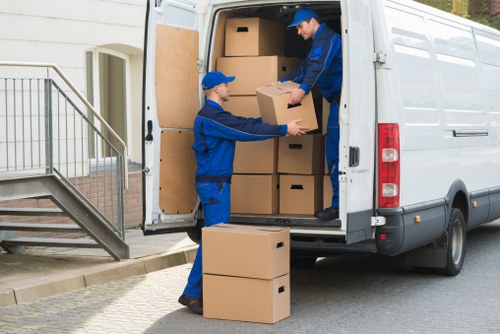 At Vauxhall Storage, sustainability is part of the way we operate every day. Our approach to recycling and responsible resource use is designed to reduce waste, lower emissions, and support the wider local environment across Vauxhall, Lambeth, and neighbouring boroughs. We work toward a recycling percentage target of 85% for operational waste streams, with the aim of continually improving year on year through better sorting, reuse, and material recovery.
That target is not treated as a box-ticking exercise. It shapes how we handle cardboard, plastic wrapping, wooden packing materials, metal items, and office waste. Wherever possible, we separate materials at source so they can be sent to the most suitable local processing route. In a part of London where borough-led waste separation is taken seriously, this means aligning our practices with the familiar local emphasis on recycling bins, mixed dry recyclables, and proper disposal of residual waste.
Our Vauxhall storage recycling approach also reflects the area itself: dense residential streets, mixed-use buildings, and frequent moves mean that responsible sorting matters. We encourage a culture where items that can be reused are set aside early, and materials that cannot be reused are directed into the correct recycling stream instead of being treated as general waste.
 One of the most important parts of our sustainability work is the use of local transfer stations. By sending materials through nearby facilities, we help reduce transport distances and the emissions associated with long-haul waste journeys. This is especially relevant in inner London, where efficient routing can make a meaningful difference to carbon output.
These transfer points help us move recyclable materials into specialist recovery systems for paper, cardboard, plastics, timber, and metals. They also support better sorting, which improves the quality of the recovered material and increases the chance that it can re-enter the supply chain. For a business like ours, using local infrastructure is a practical way to support a more circular economy while keeping operations efficient.
In areas such as Lambeth and Wandsworth, there is already a strong expectation that waste should be separated carefully. Our storage sustainability practices follow that local mindset by keeping recyclable streams clean and distinct. We also look for opportunities to reuse shelving components, packaging, and office consumables before choosing new purchases.
 We are proud to support partnerships with charities that give suitable items a second life. When customers no longer need furniture, household goods, or other reusable materials, we work with charitable organisations and reuse partners to help direct those items away from disposal where possible. This can make a real difference to local communities, especially where affordable reuse helps extend the life of good-quality belongings.
These charity partnerships are part of a wider recycling and sustainability strategy that values reuse as highly as recycling itself. Reuse is often the most environmentally beneficial option because it avoids the energy required to break items down and remanufacture them. It also helps reduce demand for new raw materials, which is one of the biggest wins in any sustainability plan.
Alongside these partnerships, we keep an eye on the boroughs’ approach to waste separation and material recovery. In London, correct sorting of food waste, dry mixed recycling, and general waste is essential for effective processing, and we mirror that logic in the way we handle items on site. The result is a cleaner, more efficient stream of materials for reuse or recycling.
Our transport choices are another important part of the picture. We are steadily increasing the use of low-carbon vans for local movements, helping us cut tailpipe emissions while still serving customers efficiently. These vehicles are particularly useful for short urban journeys, where stop-start traffic can otherwise create unnecessary fuel use and air pollution.
Low-emission transport is supported by route planning that prioritises clustered journeys and avoids needless mileage. This not only lowers our carbon footprint, but also helps us make better use of time and resources. For a Vauxhall storage company operating in central and south London, every saved mile contributes to a more sustainable service.
We also consider the materials used in day-to-day operations. Recycled-content packaging, reusable moving supplies, and durable storage materials all play a role in reducing waste. Where possible, we choose products that can be used many times over, rather than single-use alternatives that quickly enter the waste stream.
 The environmental challenge in London is not only about collection and transport; it is also about habits. That is why we promote careful sorting of items such as shrink wrap, corrugated cardboard, metal fittings, paper records, and wooden offcuts. These materials are common in storage and moving environments, and they can often be recovered effectively when kept clean and separate.
In boroughs with clear waste-separation systems, the message is straightforward: the better the sorting, the better the outcome. We apply that principle to our own processes so recyclable materials are not contaminated by general waste. This improves recovery rates and makes the whole system more efficient.
We view recycling at Vauxhall Storage as part of a larger commitment to responsible business. It includes buying smarter, reusing more, transporting cleaner, and diverting usable items to charities before disposal becomes necessary. Each action may be small on its own, but together they create a measurable reduction in waste and carbon impact.
 Looking ahead, our Vauxhall storage sustainability ambitions remain focused on practical improvements. We will continue working toward our recycling percentage target, strengthening charity partnerships, and expanding the use of low-carbon vans wherever possible. We also plan to keep refining how materials are separated so recyclable items can move efficiently into local recovery routes.
By combining local transfer stations, reuse partnerships, and cleaner transport, we are building a more responsible service for the community around Vauxhall. Sustainability is not an extra feature; it is part of how we operate, how we plan, and how we support the boroughs we serve. In a city that depends on careful waste management, every sensible choice helps move the standard forward.